Cozy Lighting Tips: Warm Light, Layers, and Placement
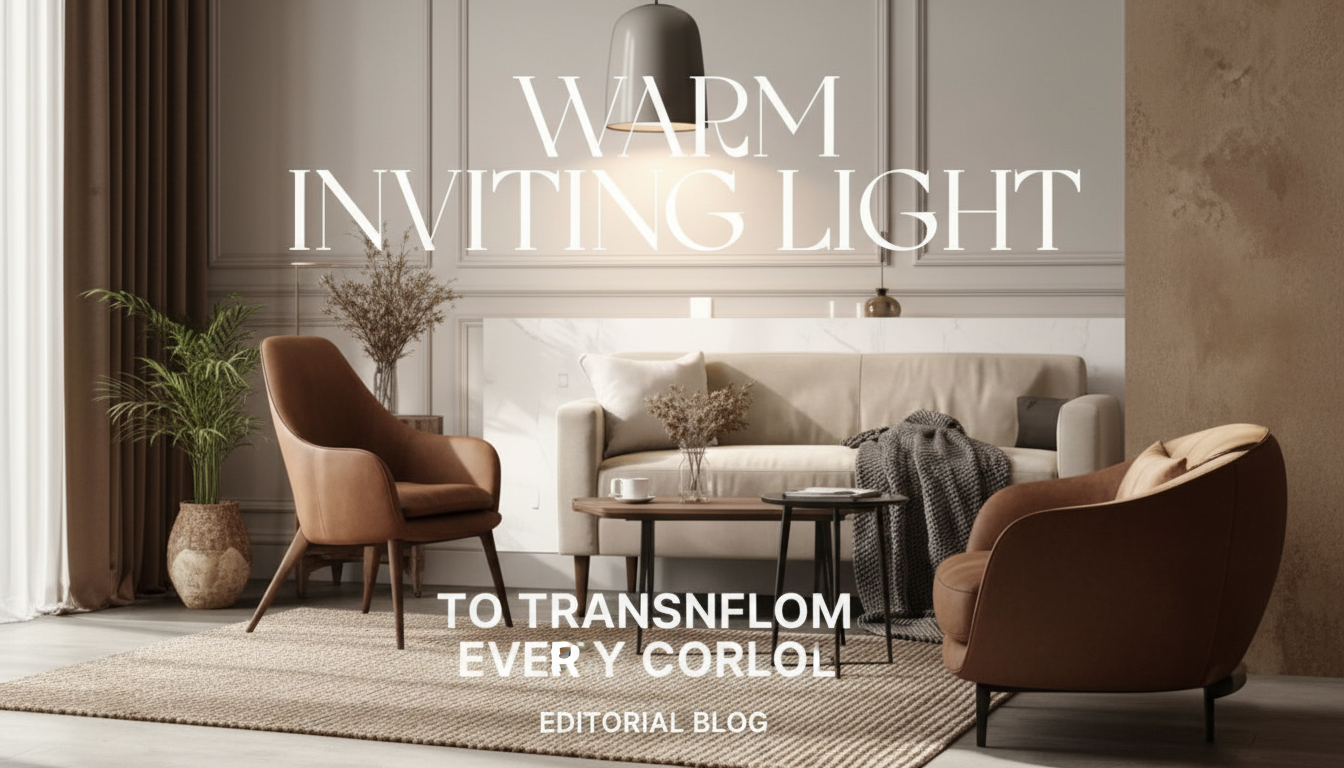
Transform Every Corner with Warm, Inviting Light
Cozy lighting is less about brighter bulbs and more about shaping mood, comfort, and visual balance. With a few practical principles—warm color temperatures, layered light, glare control, and thoughtful placement—any room can feel calmer, more flattering, and easier to live in from morning through late night. For more guidance, see Lighting Design: Techniques to Transform Interior Spaces.
What Makes Light Feel Cozy
“Cozy” usually comes from light that feels gentle, warm, and intentionally placed—not a single overhead fixture doing all the work. For further reading, see Living room Lighting Guide – Free Ebook.
- Warm tones (often labeled “soft white”) tend to feel relaxing, especially in living rooms and bedrooms.
- Diffused light reduces harsh shadows and helps faces and surfaces look more natural.
- Multiple smaller sources usually feel cozier than one bright ceiling light.
- Contrast creates depth: pools of light in key areas add dimension, while overly uniform brightness can feel flat.
- Glare is the enemy; shielding bulbs and bouncing light off walls/ceilings softens the scene.
Layered Lighting: Ambient, Task, and Accent
Layered lighting is the fastest way to make a space feel “finished.” Instead of chasing one perfect fixture, build a mix that supports how the room is actually used.
- Ambient lighting sets the baseline (ceiling fixtures, wall sconces, indirect uplighting).
- Task lighting supports activities (reading lamps, under-cabinet kitchen lights, vanity lighting).
- Accent lighting adds atmosphere and focus (picture lights, shelf LEDs, spotlights for plants or art).
- A cozy setup typically includes at least two layers per room, and often all three.
- Dimmers (or multiple circuits) help one setup feel energetic by day and calming at night.
Quick Lighting Layers by Room
| Room | Ambient | Task | Accent |
|---|---|---|---|
| Living room | Soft ceiling or indirect lamp glow | Reading lamp near seating | Lamp on a sideboard; light for art or plants |
| Bedroom | Warm bedside lamps or shaded ceiling light | Directional reading light | Low-level night light; LED behind headboard |
| Kitchen | Even ceiling lighting | Under-cabinet lighting for counters | Toe-kick or open-shelf lighting |
| Bathroom | Even overhead plus shower-safe fixture | Balanced mirror lighting at face height | Soft night-mode lighting for late hours |
| Entryway/hall | Gentle ceiling or sconce light | — | Console lamp or subtle wall wash |
Choosing Bulbs: Warmth, Brightness, and Quality
Bulbs do more than “light the room.” They decide whether your home reads as welcoming or clinical, flattering or harsh.
- Color temperature: warmer settings generally feel more inviting; neutral can work well for kitchens and work zones.
- Brightness (lumens): match output to room size and wall color. Darker finishes often need more lumens to feel equally bright.
- Color quality: higher color rendering helps textiles, wood tones, and skin tones look richer and less gray (learn more via the CIE).
- Beam angle: wider beams spread light gently; narrow beams highlight objects but can create harsh contrast if overused.
- Flicker and dimming: pick bulbs compatible with your dimmers to avoid buzz, strobing, or a limited dim range. For practical LED guidance, see the U.S. Department of Energy LED overview and ENERGY STAR’s LED bulb buying guide.
Placement Tricks That Instantly Warm Up a Space
Even without changing fixtures, placement can turn “bright enough” into “feels good.”
- Aim light at vertical surfaces: washing a wall, curtain, or bookcase creates a soft glow that makes rooms feel more expansive.
- Use lampshades and diffusers: fabric shades and frosted glass reduce glare and make brightness feel calmer.
- Create islands of light: a lamp by a chair, a glow on a shelf, and a gentle corner light reads as intimate and intentional.
- Keep bulbs out of sightlines: when seated, avoid seeing bare bulbs directly; place lamps slightly behind seating or use shaded fixtures.
- Let surfaces help: mirrors and metallic accents can bounce warm light—use sparingly so reflections don’t become hotspots.
Room-by-Room Cozy Lighting Plans
Living room
Combine a shaded floor lamp, a table lamp, and a gentle overhead option on a dimmer. Prioritize warm, soft pools of light near seating so conversation and TV time feel relaxed rather than overlit.
Bedroom
Favor bedside lighting with shades for comfortable reading and winding down. Add a low-level glow (like a warm night light or hidden LED) so nighttime navigation is easy without fully waking up.
Kitchen
Bathroom
Avoid relying on one harsh overhead. Balance the mirror with side lighting at face height to reduce under-eye shadows and create a more even, flattering look—especially helpful near a statement fixture like the Deluxe Black and Bronze Ceramic Bathroom Sink Set, where warm, balanced lighting can bring out the finish without glare.
Small spaces
Using AI Lighting Inspiration Without Losing the “Lived-In” Feel
A Simple Evening Routine for Better Ambience
Cozy Lighting Guide eBook (Digital Download)
If a room feels “almost there” but not quite inviting, a simple plan often beats random upgrades. The Cozy Lighting Guide eBook (Digital Download) is designed to help map out lighting layers for each room and spot quick changes that shift the mood fast.
FAQ
What color temperature feels the most cozy at night?
Warmer light typically feels more relaxing in the evening, especially in bedrooms and living areas. Using dimmers or smart bulbs adds flexibility so the same room can feel brighter earlier and calmer later.
How can a room feel cozy without adding more fixtures?
Reposition existing lamps, add shades or diffusers, and aim light toward walls or curtains to soften the overall glow. Swapping to warmer bulbs and using plug-in options like LED strips behind furniture can also change the mood without permanent installs.
Do dimmers and smart bulbs make a noticeable difference?
Yes—adjustable brightness helps reduce glare, supports different moods, and makes one lighting setup work across day and night. Just confirm bulb and dimmer compatibility to avoid flicker, buzzing, or a limited dimming range.











Leave a comment